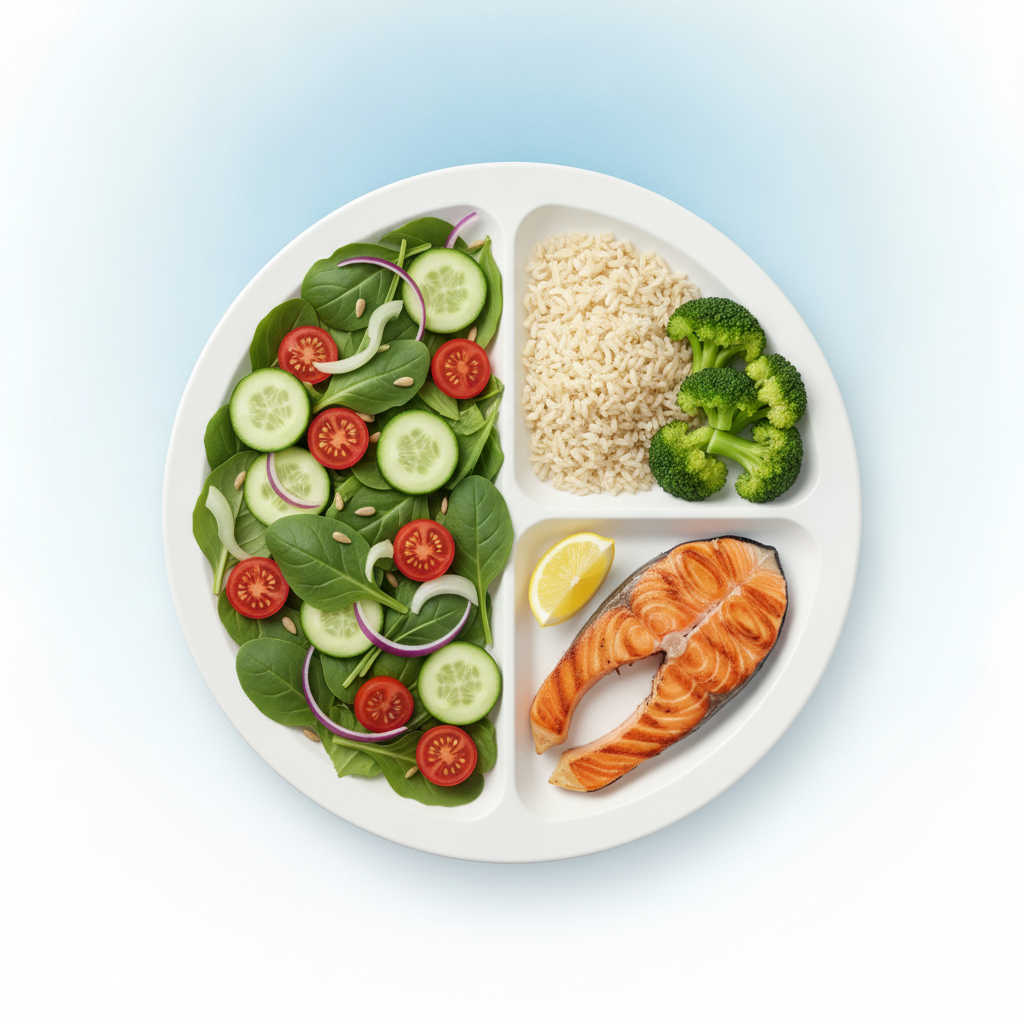
GLP-1 and Nutrition: How to Adjust Your Diet During Treatment
One of the most noticeable effects of GLP-1 medications is a natural decrease in appetite. While this supports weight loss, it also demands extra attention to the quality of your diet—after all, eating less doesn’t automatically mean eating better. Adjusting your diet during treatment is an important part of the process, both to enhance results and to maintain long-term health.
Why nutrition remains important even with reduced appetite
Since the amount of food consumed naturally tends to decrease during treatment, each meal needs to be more "nutritionally efficient." This means prioritizing foods rich in nutrients—proteins, fiber, vitamins, and minerals—instead of empty calories, to avoid nutritional deficiencies throughout the treatment.
The central role of protein
Adequate protein intake is one of the key points emphasized by registered dietitians who work with patients on GLP-1 treatment. This is because during rapid weight loss, some of the reduction can involve muscle mass in addition to body fat. Ensuring enough protein at each meal helps preserve muscle, which is important for both strength and body function, as well as maintaining basal metabolism over time.
Lean protein sources such as white meats, fish, eggs, legumes, and low-fat dairy products are commonly recommended, always adjusted to the appropriate amount for each patient, which should be determined with professional nutritional guidance.
Fiber and digestive health
Since changes in bowel habits, like constipation, are common side effects of the treatment, adequate fiber intake—found in fruits, vegetables, whole grains, and legumes—can help alleviate these symptoms. It’s important to increase fiber gradually and always accompany it with good hydration to avoid additional abdominal discomfort.
Smaller, more frequent meals
Because gastric emptying slows down during treatment, many patients report better tolerance with smaller, more frequent meals throughout the day rather than large portions concentrated in a few meals. This strategy also helps reduce feelings of discomfort and nausea associated with the treatment.
Hydration
Proper fluid intake is essential, especially since side effects like nausea, vomiting, or diarrhea can increase the risk of dehydration. Maintaining a hydration routine throughout the day—not just when feeling thirsty—is a common recommendation for patients undergoing treatment.
Foods that are generally better tolerated
Lean proteins prepared simply (grilled, baked, or boiled).
A variety of fruits and vegetables, introduced gradually to assess individual tolerance.
Whole grains in moderate amounts.
Low-fat foods, since very fatty meals tend to be less well tolerated during treatment.
Foods that often cause more discomfort
Fried and very fatty preparations.
Highly processed and heavily seasoned foods.
Alcoholic beverages, which can worsen gastrointestinal side effects.
Very large meals, especially early in treatment.
The risk of over-restriction
Because appetite is already naturally reduced by the medication, some patients may end up consuming fewer calories and nutrients than needed, especially if they also adopt restrictive diets on their own. This can lead to nutritional deficiencies, excessive muscle loss, and fatigue. For this reason, nutritional monitoring during treatment is often recommended to ensure the diet remains balanced despite reduced intake.
The role of professional support
A registered dietitian can help plan menus tailored to individual needs, considering reduced appetite, possible side effects, and treatment goals—whether blood sugar control, weight loss, or both. This support is especially important for long-term treatments to ensure results are achieved in a healthy and sustainable way.
Supplementation: when it might be needed
In some cases, a significant reduction in food intake may make it difficult to meet daily requirements for certain micronutrients, even with a qualitatively balanced diet. In these situations, the doctor or dietitian may consider recommending specific supplements, such as multivitamins or protein supplements, to complement the diet and prevent nutritional deficiencies during treatment. Decisions about supplementation should always be individualized, based on clinical evaluation and, when indicated, laboratory tests.
Meal planning as a practical strategy
Because reduced appetite can lead to irregular meals or forgetting important meals, many dietitians recommend some level of meal planning during treatment. This can include preparing meals in advance, setting approximate times for main meals even without strong hunger, and keeping practical, nutritious options available for times when appetite is lower. This type of planning helps ensure more consistent nutrient intake despite the appetite fluctuations common during treatment.
Changes in food preferences during treatment
Besides the overall appetite reduction, many patients report changes in food preferences while using GLP-1 medications, such as less interest in sweets, fried foods, and highly processed items. Although the exact mechanisms behind this change are still being studied, this effect can be used as an opportunity to establish healthier eating habits long-term, since the period of reduced desire for these foods may make it easier to develop new eating patterns that persist even after eventual dose reduction or discontinuation of the medication.
Social eating and special situations
Social occasions involving meals, like dinners and celebrations, can raise specific concerns for those in treatment, since reduced appetite and lower tolerance for large portions may make these moments more challenging. In these cases, strategies such as eating a small portion before the event to avoid overeating, carefully choosing what and how much to eat, and communicating with close people about the treatment—when the patient feels comfortable—can help balance social life with treatment needs without causing embarrassment or unnecessary isolation.
Final considerations
Nutrition during GLP-1 treatment should not be overlooked just because appetite has decreased. On the contrary, the nutritional quality of food choices becomes even more important, and professional guidance can make a significant difference both in treatment outcomes and in the patient’s overall health throughout the process.
FAQ
Do I need to follow a specific diet during GLP-1 treatment?
There is no single mandatory diet for those using GLP-1 medications, but the general recommendation is to prioritize a balanced diet rich in protein, fiber, and essential nutrients, since reduced appetite can lead to insufficient food intake if attention is not paid to the quality of choices. Working with a registered dietitian is often advised.
Why is protein so emphasized during this treatment?
Because rapid weight loss can include loss of muscle mass as well as fat, ensuring adequate protein intake helps preserve muscle during the weight loss process. The ideal amount varies according to each patient’s profile and should be guided by a registered dietitian or physician.
Can I drink alcohol during treatment?
There is usually no absolute prohibition, but alcohol consumption can worsen gastrointestinal side effects and, in patients with diabetes, interfere with blood sugar control. It’s recommended to discuss alcohol use with your doctor during treatment, considering your individual situation.
Is it normal to lose interest in food during treatment?
Yes, reduced appetite and even changes in food preferences (such as less interest in sweets or fatty foods) are expected effects reported by many patients. Still, it’s important to ensure minimum necessary nutrient intake, and a very marked drop in appetite should be discussed with your doctor or registered dietitian.