Mounjaro vs Ozempic: Differences in Mechanism, Effectiveness, and Side Effects
Mounjaro and Ozempic are often mentioned together, and it's natural to wonder which one is "better." The answer isn’t straightforward because these two medications have different mechanisms of action, distinct approval histories, and outcome profiles that, while similar in many ways, also show important differences. This article directly compares the two treatments based on what is currently known about them.
Different Active Ingredients
The first difference lies in the molecule used in each medication. Ozempic’s active ingredient is semaglutide, which acts exclusively on the GLP-1 receptor (glucagon-like peptide-1). Mounjaro, on the other hand, uses tirzepatide, a molecule that targets both the GLP-1 receptor and the GIP receptor (glucose-dependent insulinotropic polypeptide), making it a dual agonist.
This structural difference is the starting point for understanding the other distinctions between the two treatments.
Mechanism of Action: One vs. Two Receptors
Both medications share effects related to GLP-1 receptor activation: stimulating glucose-dependent insulin release, reducing glucagon production, slowing gastric emptying, and decreasing appetite through action on areas of the central nervous system.
Tirzepatide adds to these effects by activating the GIP receptor, which appears to enhance insulin sensitivity and contribute additional metabolic benefits. This combined action supports the hypothesis that Mounjaro may produce more pronounced results in certain outcomes, according to available studies so far.
Effectiveness Comparison in Clinical Studies
Studies directly comparing the two molecules in patients with type 2 diabetes and obesity tend to show numerically greater weight loss and improved glycemic control with tirzepatide compared to semaglutide at the doses studied. However, it’s important to emphasize that "numerically greater" doesn’t mean every patient will experience these results — individual responses vary widely, and some patients may respond better to one medication over the other for reasons not yet fully understood.
Differences in Side Effect Profiles
The most common side effects for both medications are gastrointestinal: nausea, diarrhea, constipation, and occasionally vomiting, especially during dose adjustment. There is no strong, consistent evidence that one medication is significantly "more tolerable" than the other overall — experiences tend to be individual, with some patients reporting better tolerance to one treatment or the other for reasons that vary case by case.
Frequency and Method of Administration
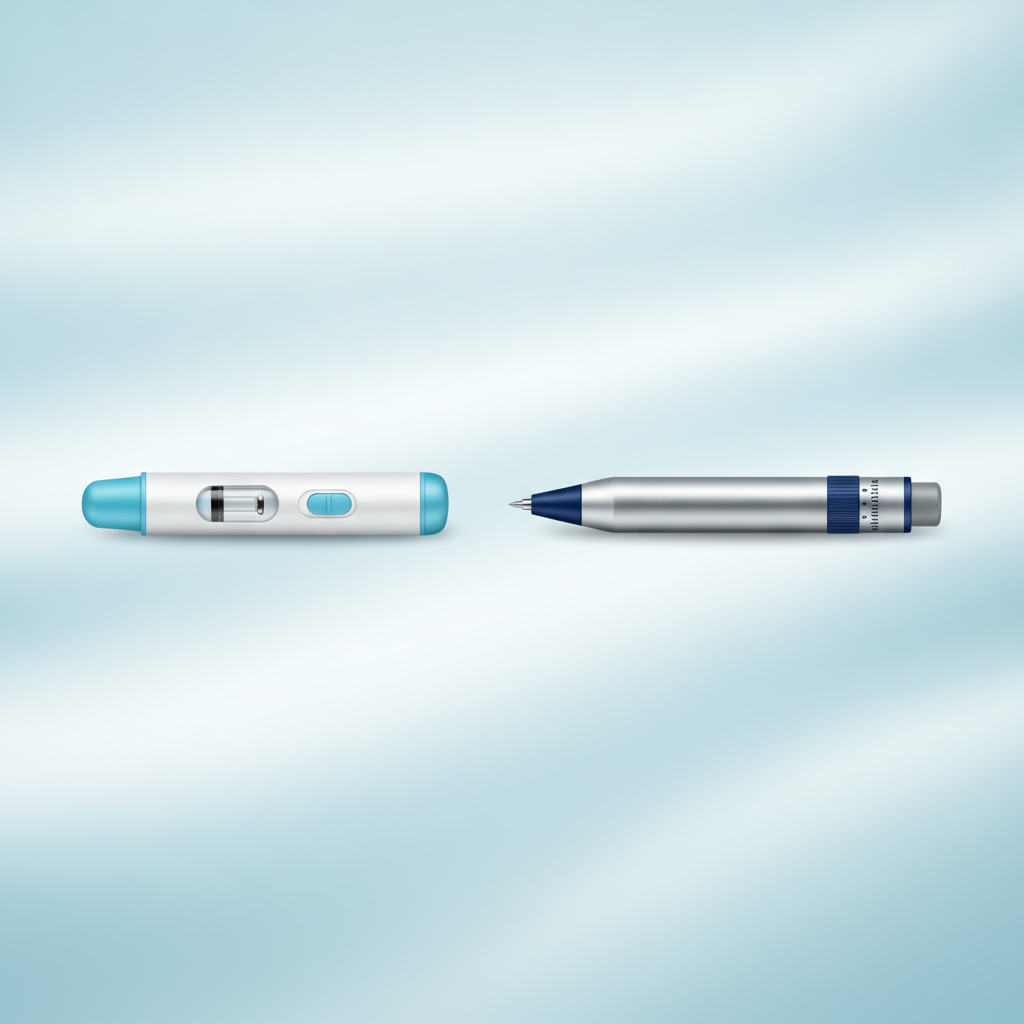
Both Mounjaro and Ozempic are administered subcutaneously once a week using an injection pen. In this practical aspect, the two medications are similar, which makes comparing their usage routines easier — the key differences lie in their mechanisms of action and observed results, not in dosing frequency.
Approved Indications
Both medications were originally developed and approved for treating type 2 diabetes. As evidence accumulated about their associated weight loss effects, these same molecules began to be studied and, in some countries, approved specifically for obesity treatment under different brand names. Using them for weight loss outside these specific indications is generally considered off-label and should always be done under medical supervision.
Factors Influencing the Choice
In clinical practice, the choice between Mounjaro and Ozempic usually considers factors such as:
Whether the patient has type 2 diabetes and the level of glycemic control needed.
History of response to previous GLP-1 receptor agonist treatments.
Prior tolerance to gastrointestinal side effects.
Availability and access to the medication.
Patient preference and the prescribing physician’s guidance.
Cost and Availability Differences
Beyond clinical aspects, practical factors like cost and availability also often influence the choice between these two medications. As relatively new treatments with high demand, both can have price and availability variations depending on the country, insurance coverage, and occasional supply shortages. It’s advisable to check directly with pharmacies and insurance providers to understand the specific access conditions for each medication at the time of decision-making.
Approval History of Each Molecule
Semaglutide, used in Ozempic, has a longer clinical use history than tirzepatide, used in Mounjaro, since it was approved and marketed first. This longer history means there is a larger volume of real-world safety data over time. Tirzepatide is a newer molecule and, while supported by robust efficacy and safety studies, the accumulation of long-term, large-scale real-world data is still ongoing, which is typical for any newer medication on the market.
What to Consider Before Switching Between Medications
Patients currently on Ozempic considering switching to Mounjaro for additional benefits—or vice versa—should understand that this decision shouldn’t be based solely on average study data. Individual response to the current treatment, duration of use, presence of side effects, and specific therapeutic goals are factors the physician will evaluate before recommending a medication change.
Patient Reports from Clinical Practice
Beyond formal clinical study data, reports from clinical practice by physicians managing patients on both treatments often highlight individual variability in response. Some patients report better appetite control with one medication, while others notice differences in the severity of gastrointestinal side effects between the two options. This practical variability underscores why the clinical experience of the treating physician, combined with available scientific data, is crucial for personalizing treatment choices for each patient.
Reevaluating the Choice During Treatment
The decision between Mounjaro and Ozempic doesn’t have to be final or unchangeable. Throughout follow-up, the physician can reassess the response to the initially chosen treatment and, if necessary, consider switching to the other option—especially in cases of insufficient response or persistent side effects that significantly impact the patient’s quality of life. Such adjustments are part of the natural process of individualizing treatment over time.
Final Considerations
Mounjaro and Ozempic share a similar pharmacological foundation but differ in the number of hormone receptors they target, which seems to influence the magnitude of results seen in studies. Neither should be considered universally "better" — the decision about which treatment to pursue should be individualized and made together with a physician who evaluates the patient’s full health history.
FAQ
Does Mounjaro cause more weight loss than Ozempic?
Comparative studies published so far suggest that tirzepatide (Mounjaro) tends to produce greater average weight loss than semaglutide (Ozempic) at the doses studied. However, individual responses vary widely, and factors such as treatment adherence, diet, and physical activity also strongly influence the final outcome.
Are the side effects different between the two medications?
The most common side effects are similar between the two—mainly gastrointestinal symptoms like nausea, diarrhea, and constipation, which are more frequent at the start of treatment. Some studies suggest subtle differences in the frequency and intensity of these symptoms between the molecules, but individual experience can vary greatly, and there is no guarantee that one medication will cause fewer side effects than the other for any given person.
Why does Mounjaro act on two receptors while Ozempic acts on only one?
This is due to the molecular design of each active ingredient. Semaglutide (Ozempic) was developed to act specifically on the GLP-1 receptor. Tirzepatide (Mounjaro) was developed later with the ability to act on both the GLP-1 receptor and the GIP receptor, a second hormone involved in metabolic regulation.
Which one should I choose?
There is no one-size-fits-all answer—the choice between Mounjaro and Ozempic depends on factors such as health history, previous treatment responses, presence of diabetes or just obesity, tolerance to side effects, availability, and medical guidance. An endocrinologist or obesity specialist is best suited to help make this decision.