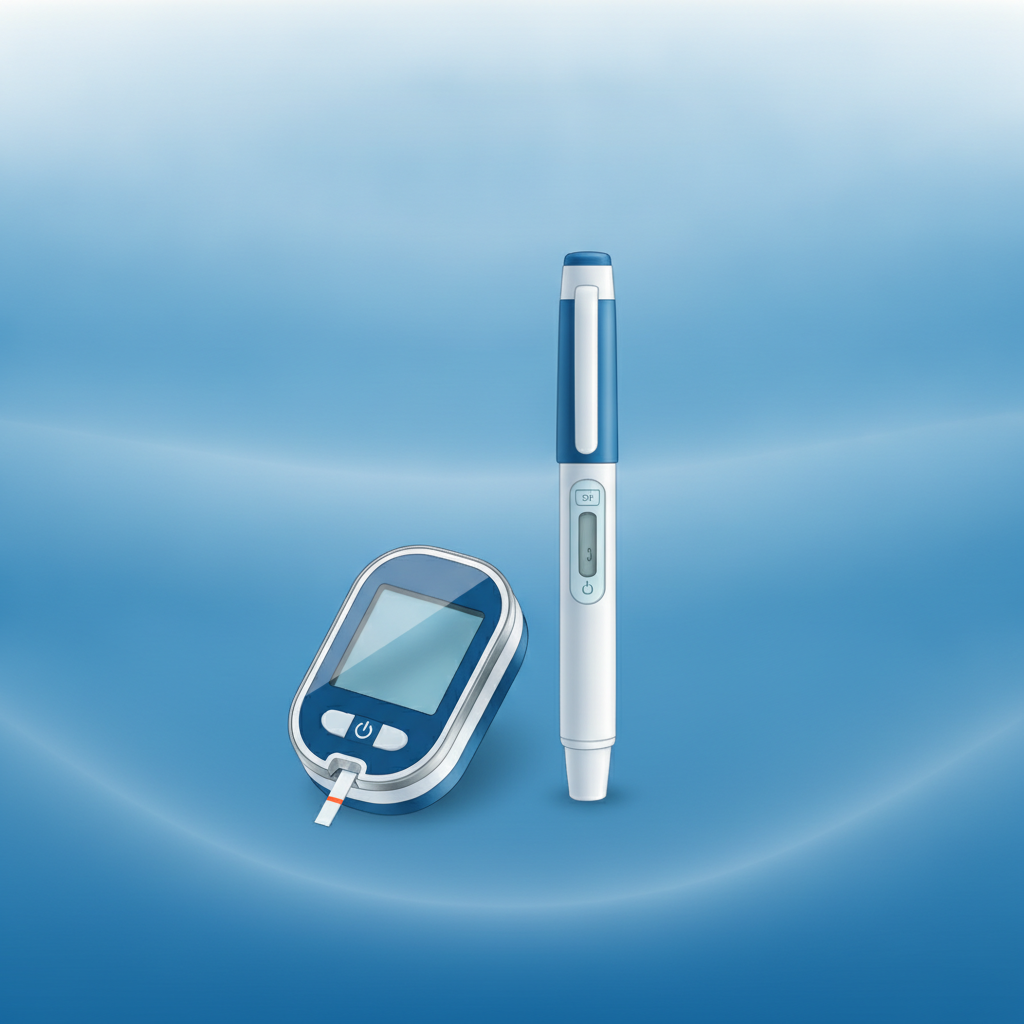
Ozempic (Semaglutide): From Diabetes Treatment to Weight Loss Popularity
Few medications have gained as much attention in recent years as Ozempic. Originally developed to manage type 2 diabetes, the drug became a cultural phenomenon due to the weight loss reported by many patients — an effect that wasn’t the primary goal of treatment but ended up reshaping how medicine approaches obesity management.
What is Semaglutide?
Semaglutide is a synthetic molecule that mimics the action of the hormone GLP-1 (glucagon-like peptide-1), which is naturally produced by the intestines after meals. This hormone plays a central role in regulating blood sugar levels and also influences feelings of fullness, explaining the two main effects observed with treatment: improved blood sugar control and reduced appetite.
Ozempic is the brand under which semaglutide was originally marketed, approved for use in adults with type 2 diabetes as part of a therapeutic plan that also includes a balanced diet and physical activity.
How Ozempic Works in the Body
Semaglutide’s mechanism of action involves several key effects:
Stimulating insulin release: in a glucose-dependent manner, meaning primarily when blood sugar levels are elevated, which reduces the risk of hypoglycemia compared to other diabetes medications.
Reducing glucagon production: a hormone that raises blood glucose levels, further aiding glycemic control.
Delaying gastric emptying: prolonging the feeling of fullness after meals.
Acting on brain areas related to appetite: decreasing hunger and, consequently, daily calorie intake.
From Diabetes to the Weight Loss Phenomenon
During clinical trials focused on diabetes, researchers noticed that many patients consistently lost weight, even though this wasn’t the treatment’s primary goal. This finding led to specific studies on using higher doses of semaglutide for obesity management, resulting in the approval of a dedicated weight loss version in several countries.
This background is important to understand why there’s some confusion between "Ozempic" and "weight loss treatment": technically, Ozempic remains a medication approved for diabetes, even though it is sometimes prescribed off-label for weight loss under medical supervision.
Administration and Dose Titration
Ozempic is administered via subcutaneous injection once a week using an injection pen. Like other medications in its class, treatment typically starts with low doses that are gradually increased over several weeks. This titration process mainly aims to reduce the intensity of gastrointestinal side effects, which tend to be more common at the beginning of use.
Results Observed in Studies
In clinical trials for diabetes, Ozempic demonstrated significant reductions in hemoglobin A1c (a marker of long-term blood sugar control) and associated weight loss, even at doses lower than those used in protocols specifically for weight loss. It’s important to highlight that results vary from person to person, and the medication does not replace healthy eating habits or physical activity — it works as a complement within a broader therapeutic plan.
Most Common Side Effects
The most reported side effects involve the digestive system: nausea, vomiting, diarrhea, and constipation, especially during the dose adjustment period. Generally, these symptoms tend to decrease over time. It’s also possible to experience a stronger-than-expected appetite reduction, which requires attention to adequate nutrient intake.
Who Should Consider Treatment
Ozempic is primarily indicated for adults with type 2 diabetes who have not achieved adequate control through lifestyle changes or other medications. The decision to start treatment — whether for diabetes or for weight loss under medical guidance — should always consider the patient’s full health history, lab tests, and potential interactions with other medications.
The Off-Label Use Phenomenon and Its Implications
A significant part of Ozempic’s popularity is related to its off-label use, meaning for purposes other than those originally approved. Since Ozempic is specifically approved for type 2 diabetes, its isolated use for weight loss in people without diabetes is technically outside the approved indication, even if prescribed by a doctor.
This phenomenon has led to important consequences, including medication shortages in some markets, as demand from non-diabetic patients competed with the needs of those relying on Ozempic for blood sugar control. For this reason, many healthcare professionals recommend that patients interested solely in weight loss consider the version of the medication already approved specifically for that purpose, when available, instead of off-label use of Ozempic.
Monitoring During Long-Term Treatment
Because Ozempic is usually used for extended periods, regular medical follow-up throughout treatment is essential. This typically includes periodic visits to assess medication response, lab tests to monitor blood sugar control such as hemoglobin A1c, and evaluation of any persistent side effects.
For patients using Ozempic alongside other diabetes medications, this monitoring also helps doctors adjust doses of other drugs over time, since the improved glycemic control provided by semaglutide may sometimes require lowering doses of other medications to avoid hypoglycemia.
Differences Between Ozempic and Oral Semaglutide Formulations
Besides the injectable version, there is also an oral semaglutide formulation available in some markets, also indicated for type 2 diabetes. Although the active ingredient is the same, the administration route, absorption by the body, and in some cases, relative effectiveness may differ between oral and injectable versions. The choice between them should be discussed with a healthcare provider, considering patient preferences, convenience, and expected therapeutic response.
Common Questions at the First Consultation
Patients interested in Ozempic often have similar questions: whether the medication is safe for long-term use, if there’s a risk of dependence (there’s no evidence that GLP-1 agonists cause physical dependence in the classical pharmacological sense), and if it can be combined with other medications they are already taking for other health conditions. These are legitimate questions and part of a comprehensive initial evaluation, which should include review of recent lab tests, family history of relevant diseases, and an open discussion about realistic expectations regarding outcomes.
It’s also common to wonder how long it takes to notice effects. As with other drugs in this class, appetite changes are usually noticed within the first weeks, while more consistent effects on blood sugar and body weight develop over months as the dose is gradually adjusted during titration.
Final Considerations
Ozempic is an example of how medical research can reveal effects beyond the original goal of a treatment. Still, its use — whether for glycemic control or weight loss — should always be supervised by a healthcare professional who will assess risks, benefits, and the suitability of the medication for each individual case.
FAQ
Was Ozempic created for weight loss?
No. Ozempic was developed and initially approved for the treatment of type 2 diabetes. The weight loss observed in patients using the medication was a secondary effect identified in clinical trials, which later motivated the development of a specific version for weight loss (Wegovy), using the same molecule at different doses.
Can I use Ozempic just to lose weight without having diabetes?
Using Ozempic specifically for weight loss in people without diabetes is considered off-label use, as the medication’s regulatory approval is for type 2 diabetes. There is a version of the same molecule approved specifically for weight loss. The decision about which product to use should be made under medical guidance.
What is the difference between Ozempic and Wegovy?
Both contain semaglutide as the active ingredient but are approved for different purposes and usually have different dosing schedules: Ozempic is indicated for type 2 diabetes, while Wegovy is specifically approved for weight loss. The choice between them depends on the patient’s clinical condition and should be guided by a healthcare provider.
Does Ozempic work the same for everyone?
No. Treatment response varies widely among individuals, both in terms of glycemic control and weight loss. Genetic, metabolic factors, diet, and treatment adherence influence outcomes. That’s why continuous medical follow-up is important to adjust expectations and, if necessary, therapeutic approach.