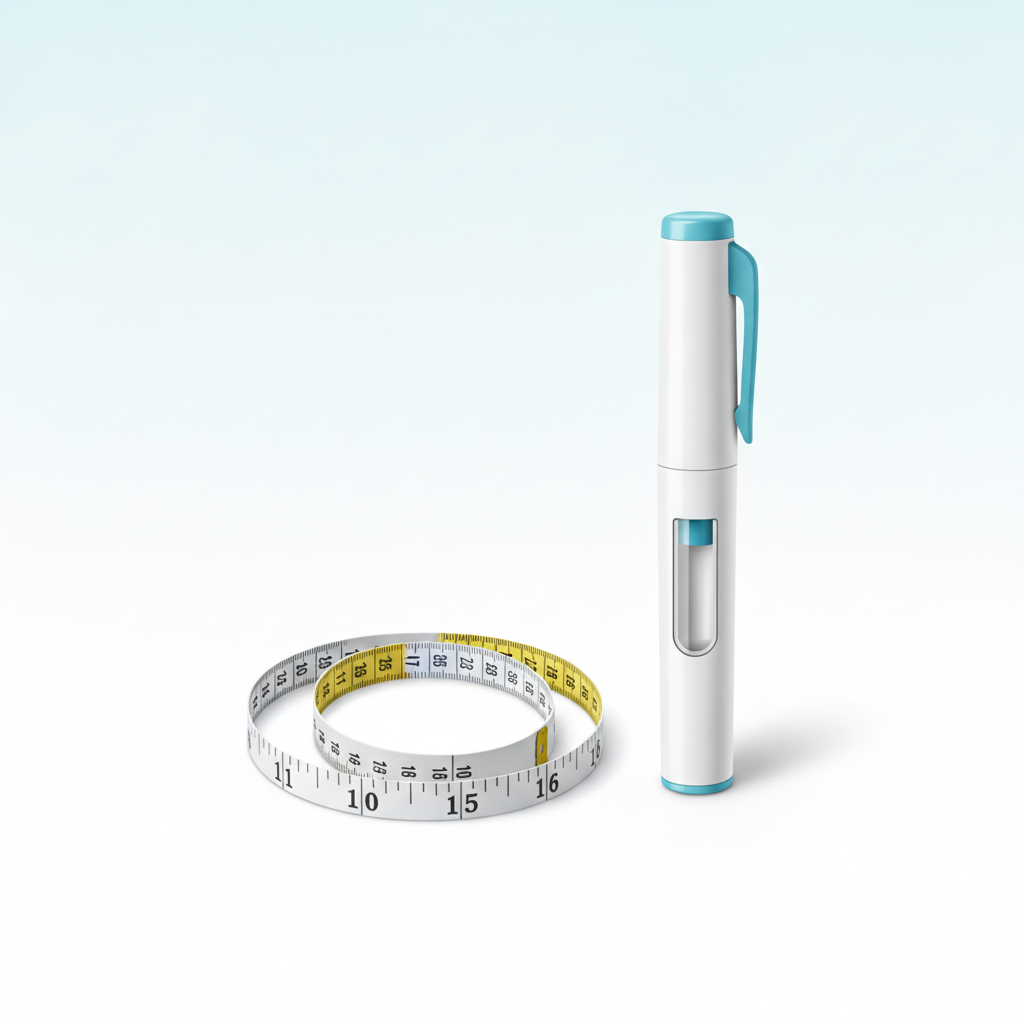
Wegovy: Semaglutide Specifically Developed for Weight Loss
While Ozempic became well-known for its original use in treating type 2 diabetes, Wegovy represents a different step: it was developed and approved specifically for obesity treatment. Both share the same active ingredient, semaglutide, but their history, dosing, and indications tell different parts of the story within this medication class.
What Sets Wegovy Apart
The main difference between Wegovy and other semaglutide formulations lies in their intended use and generally in the maximum recommended dose. Diabetes treatment typically uses lower doses, whereas the weight loss protocol underwent specific studies evaluating higher doses aimed at maximizing effects on appetite and satiety — always following the gradual dose adjustment (titration) process used with other drugs in this class.
This distinction is important because it emphasizes a key point: Wegovy is not just "Ozempic with a different name." It is a product developed, tested, and approved specifically for obesity, with its own clinical trials assessing efficacy and safety in this context.
How the Mechanism of Action Supports Weight Loss
Like other GLP-1 receptor agonists, the semaglutide in Wegovy acts on receptors located throughout various body systems:
In the brain: targeting areas involved in appetite and satiety regulation, reducing hunger and cravings for certain foods.
In the stomach: slowing gastric emptying, which prolongs the feeling of fullness after meals.
In the pancreas: stimulating glucose-dependent insulin release, which indirectly supports energy metabolism.
The combination of these effects promotes a spontaneous reduction in calorie intake, which is the physiological basis for the weight loss observed in studies.
Who Is the Treatment For?
Wegovy is generally indicated for adults with obesity or overweight accompanied by weight-related comorbidities such as high blood pressure, elevated cholesterol, type 2 diabetes, or sleep apnea. In some countries, its use has also been extended to adolescents in specific clinical situations, always under careful medical evaluation.
It is crucial to highlight that treatment is designed as part of a broader plan that includes nutritional guidance and encouragement of physical activity — not as a standalone solution.
What to Expect from the Titration Process
As with other GLP-1 medications, treatment with Wegovy starts at a low dose, which is gradually increased over several weeks until reaching the maintenance dose set by the healthcare provider. This approach helps the body adjust to the medication’s effects gradually, reducing the severity of common early gastrointestinal symptoms such as nausea and abdominal discomfort.
Results Seen in Clinical Trials
Studies evaluating Wegovy for weight loss demonstrated significant reductions in body weight over treatment periods exceeding one year, with many participants achieving clinically meaningful weight loss. However, it’s important to emphasize that individual results vary widely, and stopping treatment is often associated with some degree of weight regain, especially if healthy eating and physical activity habits are not maintained.
Side Effects and Precautions
The most commonly reported side effects are gastrointestinal in nature: nausea, diarrhea, constipation, and occasionally vomiting. These symptoms tend to be more intense during initial dose adjustments and usually decrease over time. Patients with a history of certain conditions, such as pancreatitis or serious gallbladder problems, should inform their healthcare provider before starting treatment, as these conditions may be contraindications or require closer monitoring.
Wegovy and Long-Term Treatment Maintenance
Unlike treatments intended for short-term use, Wegovy is typically recommended as part of a long-term strategy for managing obesity, which is increasingly recognized by medicine as a chronic condition. This means that for many patients, medication use is not limited to a short period to reach a target weight but may extend for months or years, with periodic reassessments by the healthcare provider to decide on continuation, dose adjustments, or gradual discontinuation.
This long-term perspective is important for patients to understand before starting treatment, as it affects expectations regarding cost, injection routine, and planning for ongoing medical and nutritional follow-up.
Multidisciplinary Support During Wegovy Use
Although the medication is the most visible part of treatment, most clinical protocols recommend that Wegovy use be supported by a multidisciplinary team, which may include a physician, registered dietitian (RD), and in some cases, a psychologist or exercise specialist. This support helps enhance medication results, as healthy eating habits and regular physical activity are well-recognized components in obesity treatment, complementing semaglutide’s pharmacological effects.
Additionally, regular follow-up allows early identification of persistent side effects, adjustment of titration pace when needed, and monitoring of health markers related to weight, such as blood pressure, lipid profile, and blood glucose, even in patients without a diabetes diagnosis.
Cost and Access to Treatment
A practical consideration for many patients is treatment cost, as medications in this class often represent a significant financial investment, especially when used long-term. Coverage by health insurance plans and access programs varies widely depending on the country and provider, so it’s advisable for patients to discuss options with their healthcare provider and check directly with their insurance or pharmacy before starting treatment.
Differences Between Expectations and Reality of Treatment
It’s common for patients to begin treatment with expectations shaped by others’ stories or social media content, which may not reflect the average experience seen in clinical trials. Therefore, an honest initial conversation with the healthcare provider about what to realistically expect — including the gradual pace of results, possible side effects early in treatment, and the importance of diet and exercise — helps build expectations more aligned with scientific evidence, reducing frustration throughout the process.
Similarly, understanding that Wegovy is a therapeutic tool, not a standalone or definitive solution, contributes to a healthier relationship with treatment, especially considering its prolonged use and the possibility of weight regain if treatment is stopped without additional support.
Final Considerations
Wegovy represents the consolidation of semaglutide as a medical tool specifically for obesity treatment, not just a welcome side effect of a diabetes medication. Like any long-term treatment, its results depend on ongoing medical supervision, individualized dose adjustments, and adopting healthy lifestyle habits throughout the process.
FAQ
Are Wegovy and Ozempic the same medication?
Both contain semaglutide as the active ingredient but are different products approved for distinct purposes. Wegovy was developed and approved specifically for treating obesity and overweight with comorbidities, generally at higher doses than Ozempic, which is approved for type 2 diabetes.
Who can use Wegovy?
Generally, Wegovy is indicated for adults with obesity (BMI of 30 or higher) or overweight (BMI of 27 or higher) with at least one weight-related condition such as hypertension, dyslipidemia, or obstructive sleep apnea. In some countries, its use has been extended to adolescents in specific situations. Eligibility should be evaluated by a healthcare provider.
Is Wegovy available in the United States?
The availability of pharmaceutical products varies over time and depends on regulatory approvals and local market supply. To get the most current information about Wegovy’s availability, approval status, and access options in the U.S., it is recommended to consult directly with a healthcare provider or specialized pharmacy.
How much weight can be lost with Wegovy?
Clinical studies have shown significant weight loss over prolonged treatment periods (usually more than one year), but results vary widely among individuals depending on factors like dose achieved, treatment adherence, diet, and physical activity level. It is not possible to guarantee a specific outcome for each person.